
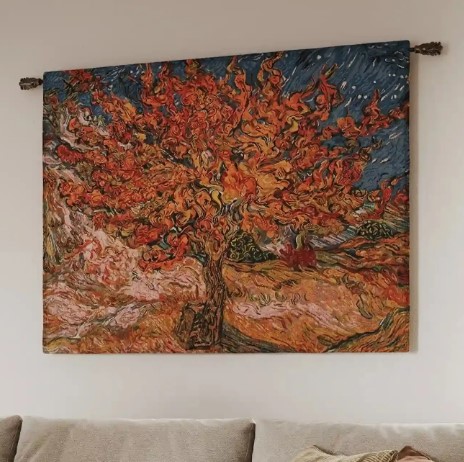
Home décor trends continue to evolve, but some design elements remain timeless because of their ability to add warmth, texture, and personality to a space. One such decorative feature is the wall tapestry. Once associated primarily with historical buildings and traditional interiors, tapestries have made a strong comeback in modern home design due to their versatility, artistic appeal, and practical benefits.
Unlike conventional wall art, tapestries introduce texture and dimension while serving as a focal point that can instantly elevate a room’s visual appeal. Whether used in contemporary, minimalist, bohemian, rustic, or traditional interiors, a well-chosen wall tapestry can transform an ordinary wall into a captivating design feature.
What Is a Wall Tapestry?
A wall tapestry is a decorative textile artwork designed to be displayed on walls. Traditionally, tapestries were woven by hand and often depicted historical events, landscapes, or artistic scenes. Modern tapestries are available in a wide range of materials, patterns, and styles, making them suitable for virtually every type of interior décor. Tapestries differ from ordinary fabric wall décor because the design is often integrated into the weave itself, creating texture, depth, and durability.
Today, homeowners use tapestries to add character to spaces while creating a more inviting and visually balanced environment.
Why Wall Tapestries Are Becoming Popular Again
Interior designers have noted a renewed interest in tapestries as homeowners seek décor elements that provide both artistic value and texture. Unlike framed prints or canvas art, tapestries create softness and warmth that help make living spaces feel more comfortable and personalized. Recent design trends have highlighted tapestries as an effective alternative to gallery walls, offering a unique blend of craftsmanship, history, and modern styling possibilities.
The growing popularity of textile-based décor reflects a broader movement toward creating homes that feel curated, expressive, and comfortable rather than purely functional.
Benefits of Decorating With a Wall Tapestry
Adds Texture and Depth
One of the most significant advantages of a wall tapestry is its ability to introduce texture into a room. Smooth painted walls can sometimes feel flat, especially in minimalist interiors. The woven nature of tapestries adds visual depth that enhances the overall aesthetic of a space.
Creates a Strong Focal Point
A large tapestry naturally attracts attention and can serve as the centerpiece of a room. Whether positioned above a sofa, bed, dining area, or fireplace, it can anchor the design scheme and create visual balance.
Improves Room Acoustics
Textile wall décor can help absorb sound, reducing echo and creating a more comfortable atmosphere. This benefit is particularly useful in rooms with hard flooring, large windows, and minimal soft furnishings.
Adds Warmth and Comfort
Historically, tapestries were used to provide insulation and warmth in large buildings. While modern homes are heated differently, tapestries still contribute to a cozier environment by softening the appearance of walls and introducing fabric textures.
Choosing the Right Wall Tapestry for Your Home
Consider Room Size
The size of the tapestry should correspond to the dimensions of the wall. Large open walls can accommodate oversized pieces, while smaller rooms often benefit from medium-sized designs that do not overwhelm the space.
Match Existing Décor
A wall tapestry should complement the room’s existing color palette and design style. Neutral tapestries blend seamlessly into modern interiors, while colorful designs can add energy and visual interest.
Focus on Theme and Artwork
Tapestries are available in countless themes, including nature scenes, abstract art, historical imagery, geometric patterns, and cultural designs. Selecting a theme that aligns with your personal taste helps create a cohesive interior design scheme.
Choose Quality Materials
Material selection affects durability, appearance, and maintenance requirements. Cotton, wool, polyester, and blended fabrics each offer unique advantages depending on the desired look and functionality.
Creative Ways to Style a Wall Tapestry
Above the Sofa
Placing a tapestry above seating areas creates a balanced focal point and fills empty wall space effectively.
Behind the Bed
Many homeowners use tapestries as decorative headboards. This approach introduces softness and visual interest without requiring major renovations.
In Entryways and Hallways
Hallways often lack decorative features. A tapestry can bring color, texture, and personality to these transitional spaces.
Home Office Enhancement
Remote work has increased the importance of creating inspiring home office environments. A tapestry can provide a professional yet artistic backdrop that enhances the room’s atmosphere.
Dining Room Accent
Large textile art pieces can add elegance and warmth to dining areas while contributing to a welcoming environment for guests.
Maintaining Your Wall Tapestry
Proper maintenance helps preserve the beauty of a tapestry for years. Basic care practices include:
- Regular dust removal
- Gentle vacuuming with soft attachments
- Avoiding prolonged direct sunlight
- Professional cleaning when necessary
Proper hanging methods also prevent stretching and fabric damage over time.
The Future of Textile Wall Décor
As homeowners continue seeking alternatives to traditional framed artwork, tapestries are expected to remain a popular design choice. Their ability to combine art, texture, warmth, and functionality makes them particularly attractive in contemporary interiors. Designers increasingly view tapestries as architectural design elements rather than simple decorative accessories.
Conclusion
A wall tapestry offers far more than decorative appeal. It adds texture, warmth, character, and visual depth while helping transform empty walls into meaningful design features. For homeowners seeking elegant and versatile décor solutions, wall hangings for living room spaces continue to be among the most effective ways to create a welcoming and visually engaging home environment. Whether incorporated into modern, traditional, or eclectic interiors, tapestries provide a timeless way to express personal style and enhance living spaces.
