
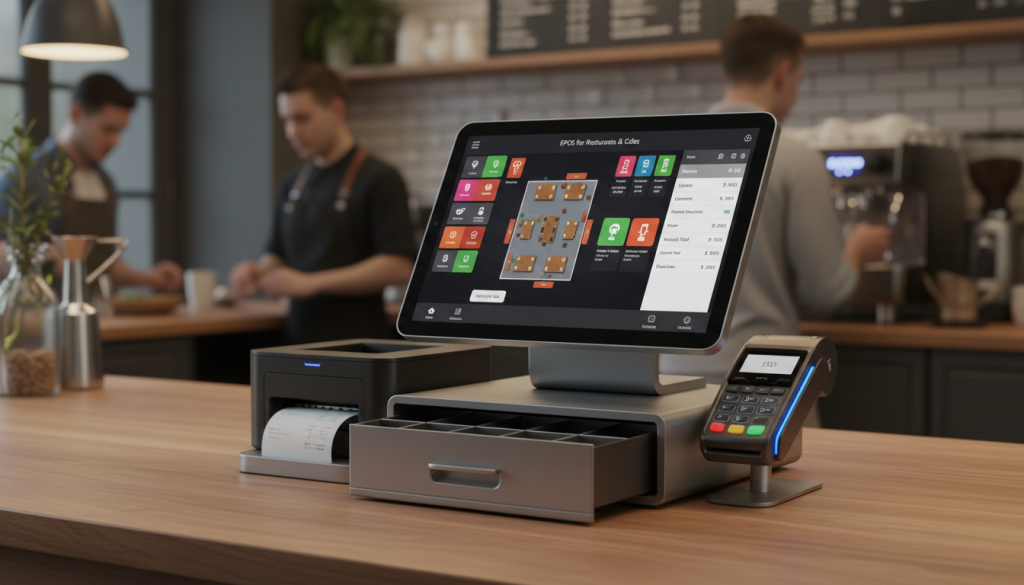
In the fast-paced world of hospitality, the heartbeat of a successful establishment isn’t just the kitchen or the front-of-house staff; it’s the technology that connects them. For years, a cash register was enough to get by. However, as diner expectations shift toward speed, personalization, and seamless service, the traditional setup has evolved. Today, a robust point of sale for restaurants is no longer a luxury—it is the central nervous system of the entire operation.
For UK-based restaurateurs looking to scale, the right system can mean the difference between a chaotic shift and a streamlined, profitable evening. Platforms like Cube POS are leading this charge by offering specialized point of sale solutions that go far beyond simple transaction processing.
The Evolution of the “Order Up”
Modern hospitality thrives on data and synchronization. When a waiter takes an order on a handheld device, that information should instantly mirror on the Kitchen Display System (KDS) and update the inventory levels in the back office. This level of integration is exactly what a modern point of sale for restaurants provides.
By eliminating the manual “ticket run” from the table to the kitchen, restaurants can shave minutes off their service times. In an industry where table turnover is a key KPI, those saved minutes translate directly into increased daily revenue.
Why Integration is the Key to Growth
The biggest mistake a restaurant owner can make is viewing their POS as an isolated tool. To truly optimize a business, the POS must talk to every other department. Here is how a high-quality system impacts different areas:
- Inventory Precision: A smart system tracks every ingredient used in a dish. If you sell a burger, the system automatically deducts the bun, the patty, and even the slice of cheese from your stock. This prevents “out-of-stock” embarrassments and reduces food waste.
- Staff Management: Managing rotas and tracking performance becomes effortless. You can quickly see which servers are upselling effectively and which shifts require more coverage based on historical sales data.
- Customer Loyalty: Modern systems allow you to build a database of your regulars. Knowing that a customer prefers a specific table or a certain bottle of wine allows your staff to provide a “human touch” that keeps people coming back.
Security and Reliability in the Digital Age
With the rise of contactless payments and digital wallets, security is paramount. A professional system ensures that every transaction is encrypted and compliant with the latest financial regulations. Furthermore, cloud-based systems mean that even if your local internet dips, your data is protected and synced the moment you’re back online.
For businesses in the UK, choosing a localized provider is essential. Cube POS understands the specific tax requirements, currency nuances, and hardware preferences of the local market. Their dedicated POS page highlights how they tailor hardware and software to fit the unique “vibe” of different eateries, from casual cafes to fine-dining landmarks.
The Bottom Line
Investing in a high-tier point of sale for restaurants is an investment in your sanity as an owner. It replaces guesswork with analytics and replaces friction with flow. As we move further into a tech-driven era of dining, the establishments that embrace these tools are the ones that will not only survive but thrive.
If you are ready to move away from legacy systems and embrace the future of hospitality, it’s time to look at how a custom-tailored POS solution can transform your daily grind into a masterclass in efficiency.
