
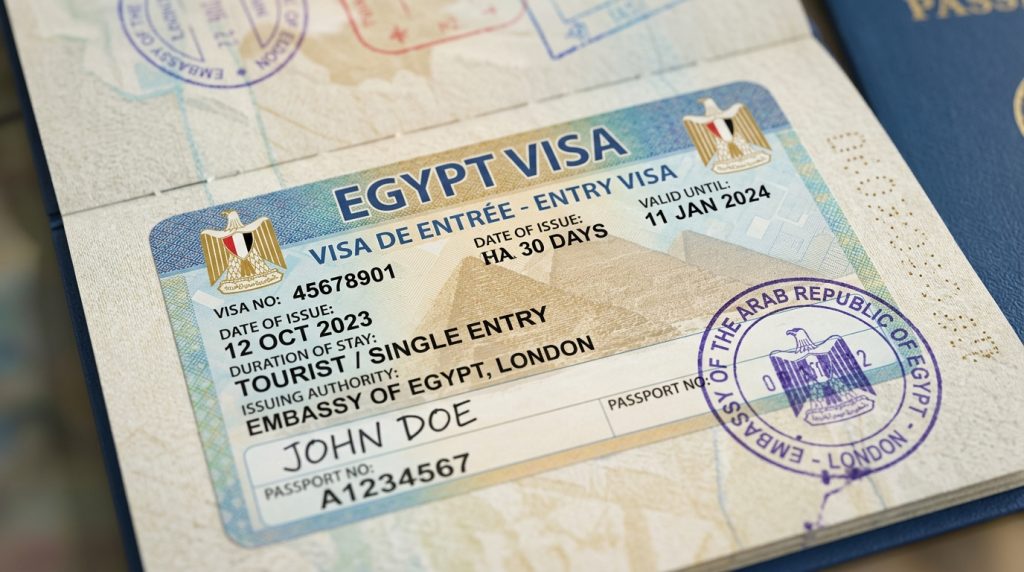
Egypt has rapidly solidified its position as a major economic hub in North Africa and the Middle East. With its strategic location bridging three continents and a growing emphasis on sectors like renewable energy, infrastructure, and technology, the country attracts thousands of international professionals every year. Whether you are attending a high-level trade conference in Cairo or meeting with potential partners in Alexandria, a successful trip begins with meticulous planning.
Navigating the entry requirements for a professional visit is the first step toward a productive stay. Understanding the nuances of Egyptian immigration law ensures that you remain compliant while focusing on your core business objectives.
Determining Your Travel Requirements
Before you finalize your itinerary, it is vital to know exactly what documentation you need. Egypt offers different visa categories tailored to specific types of travel, and selecting the right one is essential to avoid delays at the border.
If you are unsure about which permit applies to your situation—or whether you qualify for an electronic entry permit—you can utilize an EGYPT VISA ELIGIBILITY CHECKER TOOL to get clarity based on your nationality and the specific nature of your visit. These tools provide a preliminary assessment, helping you determine if you can apply for an e-visa, if you qualify for a visa-on-arrival, or if you must proceed through a formal embassy application process.
Essential Documentation for Professional Visits
Unlike a standard leisure trip, a professional visit often requires additional proof to substantiate the purpose of your stay. If your goal is to conduct meetings, explore investment opportunities, or attend professional events, you will likely be applying for an EGYPT BUSINESS VISA.
To ensure a smooth application process, prepare the following core requirements:
- Letter of Invitation: This is one of the most critical documents. It should be issued by your host company in Egypt on official letterhead, clearly stating the nature of your business, the duration of your stay, and confirmation that they are hosting you.
- Proof of Business Activity: Documentation such as conference registrations, agendas for planned meetings, or a letter from your home-country employer confirming the trip’s purpose can significantly strengthen your application.
- Passport Validity: Ensure your passport is valid for at least six months beyond your planned date of entry and contains at least two blank visa pages.
- Financial Proof: Evidence of sufficient funds to cover your accommodation, transportation, and daily expenses is often requested by immigration officials.
Cultural Etiquette and Professional Success
Success in Egypt is deeply rooted in personal relationships and networking. Business culture here tends to be more relationship-driven than task-oriented. Meetings often begin with polite, personal conversation rather than immediate talk of business. Investing time in building rapport with your counterparts is not just polite; it is a strategic approach that can lead to better outcomes.
When attending meetings, remember that professional attire is expected, and patience is a virtue. Negotiations may take longer than you are accustomed to, as building trust is a necessary precursor to finalizing deals. Additionally, basic knowledge of local customs—such as being mindful of prayer times or the rhythm of the business day—can demonstrate your respect for local partners and greatly enhance your reputation.
Logistics for the Modern Professional
Egypt’s infrastructure for business travelers is robust. Major cities offer a wide range of accommodation options, from international hotel chains with dedicated business centers to boutique guesthouses. Connectivity is generally reliable, and purchasing a local SIM card upon arrival is a highly recommended step to ensure you remain accessible to your home office and local partners.
When planning your internal travel, rely on domestic flights for long-distance journeys between major hubs like Cairo, Luxor, and Aswan to maximize your time. Always ensure your hotel reservations are confirmed, as immigration authorities may request to see these details upon your arrival.
By treating the administrative phase of your travel as a vital component of your business strategy, you lay the groundwork for a productive experience. Once your entry requirements are managed, you can focus on the potential that this dynamic, historic, and rapidly evolving market offers for your professional growth.
